The Unhealthy Generation: Understanding the Root of Rising Childhood Diseases
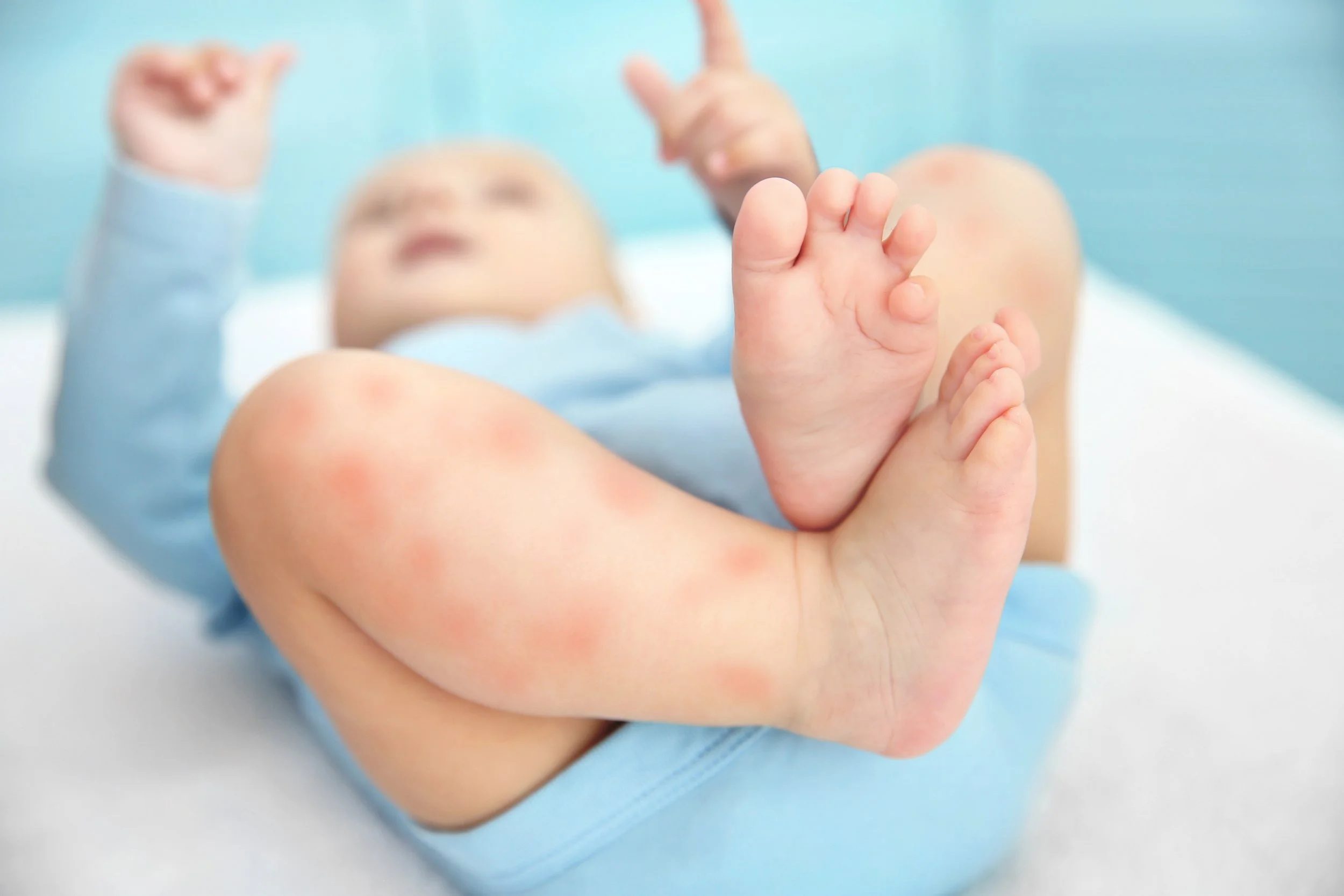
“Something unprecedented is happening to our children.
Over the past three decades, we’ve witnessed alarming increases in conditions that were once rare in pediatric populations: food allergies, obesity, autism, and more.”
Let’s Take a Look at the Statistics:
Over the past three decades, we've witnessed:
Food allergies affect up to 8% of children - a rate that has doubled since the early 2000s
Inflammatory bowel diseases like Crohn's are being diagnosed in children as young as two years old
Type 1 diabetes is increasing by approximately 3% annually
Childhood obesity rates have tripled since the 1970s
Autism spectrum disorders are now identified in 1 in 36 children
Anxiety and depression are reaching record levels in adolescents
Young-onset colorectal cancer is rising in people under 50
These aren't isolated trends. They represent a fundamental shift in children's health, a shift that defies explanation through genetics alone and points to profound environmental changes.
Beyond Genetics: The Environmental Influence
For decades, we've focused primarily on genetic factors to explain disease risk. But genetics alone cannot account for the rapid rise in these conditions. Human genetic makeup doesn't change that significantly in just a few generations.
What has changed dramatically is our environment, specifically, the environment that shapes our children's developing microbiomes.
As a gastroenterologist who studies these patterns, I've observed how the same environmental shifts that have disrupted the gut microbiome align precisely with the timing of these disease trends:
The rise of ultra-processed foods with emulsifiers and artificial additives
Increasing C-section rates and declining breastfeeding duration
Broader antibiotic use, particularly in early childhood
Reduced exposure to diverse environmental microbes
Changes in household cleaning products and personal care items
Increased exposure to medications during pregnancy
Rising rates of maternal stress and metabolic conditions
Each of these factors influences microbial colonization during the critical developmental window of a child's first 1,000 days.
Not Just Digestive Disorders: The Whole-Body Impact
What makes the microbiome such a powerful driver of diverse health conditions is its influence on fundamental biological systems, particularly the immune system and brain development.
The gut houses approximately 70% of immune tissue, and early bacterial colonizers essentially "train" this tissue to distinguish between harmful invaders and harmless substances.
When this training process is disrupted, the consequences extend throughout the body:
In the immune system: Dysregulated responses manifest as allergies, asthma, eczema, and autoimmune conditions.
In the gut-brain axis: Altered signaling affects mood regulation, stress response, and potentially aspects of neurodevelopment.
In metabolic programming: Disrupted microbial communities influence how the body processes and stores energy, affecting weight regulation and glucose metabolism.
In intestinal barrier function: Compromised barriers allow inappropriate substances to trigger immune reactions, creating cycles of inflammation.
This explains why we're seeing concurrent increases in conditions that might seem unrelated but share common microbial mechanisms.
Beyond Individual Treatment to Root Causes
The conventional medical approach treats each of these conditions separately: food allergies managed by allergists, inflammatory bowel disease by gastroenterologists, and anxiety by psychiatrists.
But viewing them through the lens of microbiome development reveals their shared origins and points toward more fundamental interventions.
Rather than simply managing symptoms once they appear, we need approaches that support proper microbiome development from the start. This means:
Recognizing the critical importance of the first 1,000 days for lifelong health
Preserving natural microbial transmission whenever possible
Supporting beneficial microbial colonization through diet and environment
Limiting unnecessary antimicrobial exposures
Restoring microbiome function when disruptions occur
Hope for the Next Generation
Despite these concerning trends, there's hope and reason for optimism. The same research that has identified these problems is also revealing solutions - practical approaches that parents can implement even while medical systems slowly adapt.
In my new book (out June 2026!), I explore both the science behind this "unhealthy generation" and the actionable steps parents can take to protect their children's developing microbiomes. Why? Because understanding the root cause of these rising diseases isn't just academically interesting, it's the key to reversing these trends for the next generation.
Dr. Savita Srivastava is a Yale-trained gastroenterologist, researcher, and mother whose work bridges cutting-edge microbiome science with practical parenting approaches. Her new book, "First 1000 Days: How Your Baby's Gut Microbes Shape Lifelong Health," is an essential guide for parents navigating the critical early years of their child's microbiome development.