Microbiome Extinction: How Modern Life Is Erasing Essential Bacteria
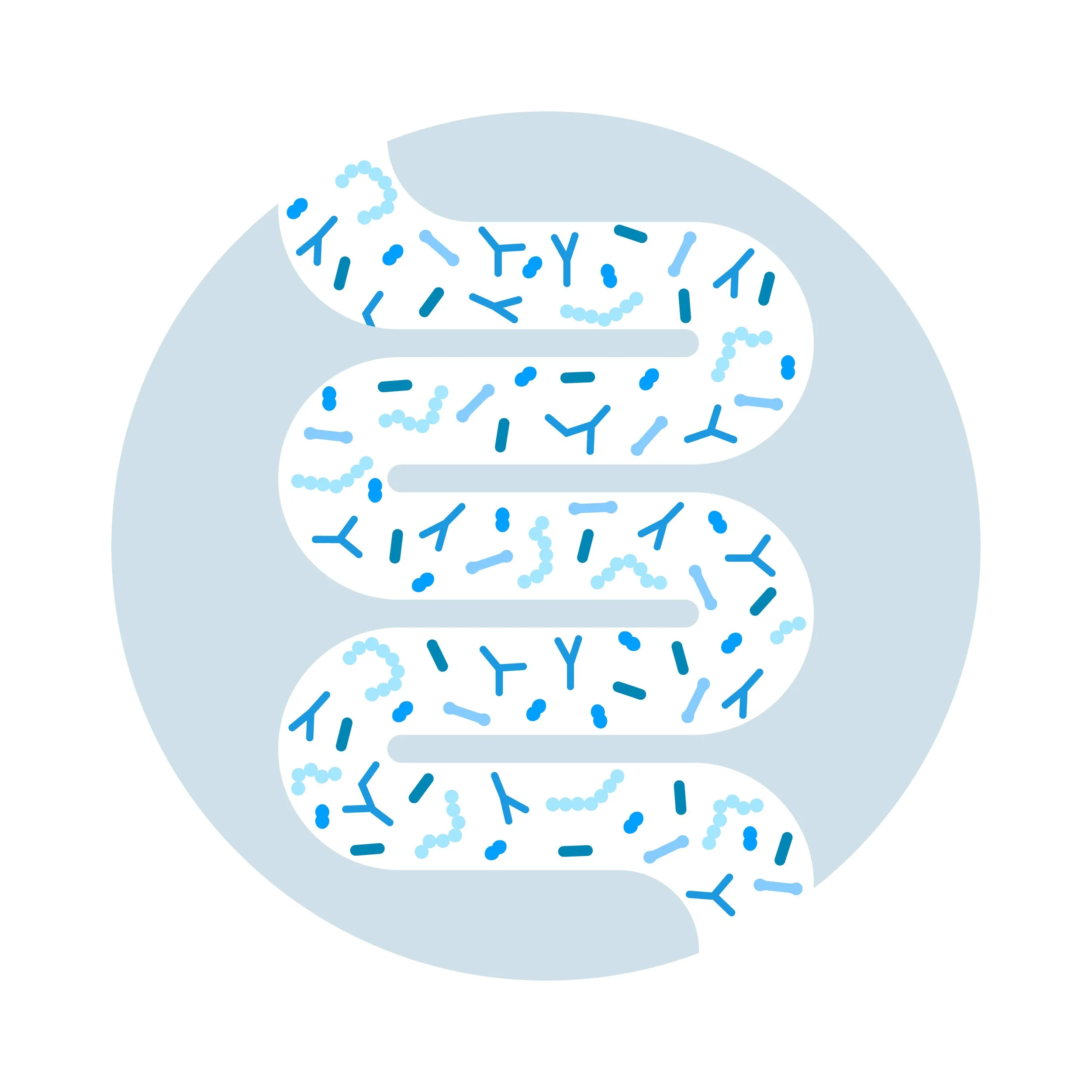
“We often hear about endangered species in the Amazon rainforest or coral reefs, ecosystems distant from our daily lives. But the most consequential extinction event of our lifetime might be happening much closer to home: inside our children’s bodies.”
The Disappearing Microbiome
As a gastroenterologist who studies the human microbiome, I've watched with growing concern as research reveals a disturbing trend: bacterial species that have co-evolved with humans for hundreds of years are vanishing from our gut ecosystems at an alarming rate.
This isn't just biological trivia. These disappearing microbes perform essential functions in human development that nothing else can replicate:
Bifidobacterium infantis, a keystone species in infant gut development, has become increasingly rare in Western populations. This bacterium processes special sugars in breast milk and produces compounds that help regulate immune development.
Various Lactobacillus species that once dominated the microbiomes of healthy infants now appear at dramatically reduced levels, compromising gut barrier function and immune regulation.
Fiber-degrading bacteria that produce short-chain fatty acids are declining in diversity and abundance compared to just a few generations ago. These are crucial signaling molecules that regulate metabolism and brain function.
The Extinction Drivers: Beyond Antibiotics
While antibiotics often receive the most attention for disrupting the microbiome (and rightfully so), the story of microbial extinction is far more complex. Several simultaneous factors of modern life have created a perfect storm:
Sterile birth environments that prevent the natural transmission of maternal microbes.
Formula feeding that lacks the prebiotic components found in breast milk.
Ultra-processed foods lack the diverse fibers needed to sustain microbial communities.
Chemical exposures from household products that act as antimicrobials.
Reduced exposure to nature and environmental diversity that would normally introduce beneficial microbes.
Stress and sleep disruption that alter gut physiology and microbial habitats
Any one of these factors might be manageable, but together they've created an unprecedented assault on microbial diversity. The result? A generation of children harboring as few as one-third of the microbial species found in children from less industrialized regions or in previous generations.
Why This Extinction Matters
The consequences of this microbial depletion are now playing out in pediatric clinics nationwide:
Allergic diseases have increased dramatically as immune systems develop without proper microbial education.
Autoimmune conditions like type 1 diabetes and inflammatory bowel disease are appearing at younger ages.
Metabolic dysregulation leading to childhood obesity and fatty liver disease is common and even screened for in annual pediatric checks.
Neurodevelopmental and mood disorders linked to disrupted gut-brain communication have become increasingly common in a short span of time.
These aren't isolated conditions, but instead connected manifestations of ecosystems in distress.
Conservation Begins at Home
Just as endangered rainforests need protection, the endangered microbiome requires conscious stewardship. The good news is that parents can take meaningful action, even within the constraints of modern life:
Protect microbial transmission during and after birth when possible
Feed the microbiome with diverse plant foods rather than processed alternatives
Limit unnecessary antimicrobials in both medications and household products
Connect with nature regularly to introduce beneficial environmental bacteria
Create stress-management strategies that support gut-brain health
In my new book (pre-sale available now; book launch June 2026!), I explore these strategies in depth, providing practical guidance for parents navigating a world that often seems designed to disrupt healthy microbial development.
Because, unlike endangered species in distant ecosystems, the microbes inside our children are extinction events we can actually do something about, starting today!
Dr. Savita Srivastava is a Yale-trained gastroenterologist, researcher, and mother whose work bridges cutting-edge microbiome science with practical parenting approaches. Her new book, "First 1000 Days: How Your Baby's Gut Microbes Shape Lifelong Health," is an essential guide for parents navigating the critical early years of their child's microbiome development.